
Cost Considerations and Planning for Electrical Work
What You Should Know
Planning electrical work is not always as straightforward as budgeting for other home improvements. Two projects that sound nearly identical can require very different amounts of labor depending on the home, the existing electrical system, accessibility, and the equipment being installed.
That is why electrical estimates are typically based on the specific conditions of the project rather than a single universal price.
Whether you are repairing an electrical problem, upgrading an older home, installing new lighting, or preparing for a major addition, understanding what influences the cost can help you establish a realistic budget and make better decisions about the work.
What Determines the Cost of Electrical Work?
The scope of the project is naturally one of the biggest factors, but it is far from the only consideration.
An electrician may also need to account for:
- Labor required to complete the project
- Materials and electrical equipment
- Accessibility of existing wiring
- Age and condition of the electrical system
- Electrical capacity
- Number of new circuits required
- Distance wiring needs to travel
- Permitting or inspection requirements
- Repairs discovered during the project
Accessibility can make an especially significant difference. Running wiring through an accessible unfinished basement is a very different project from routing new wiring through finished walls and ceilings.
This is one reason an in-person evaluation can be important before receiving an accurate estimate for larger electrical projects.

Troubleshooting Costs Can Be Different From Installation Costs
When you call an electrician to install something specific, the project is generally defined from the beginning. Troubleshooting can be different because the cause of the problem may not yet be known.
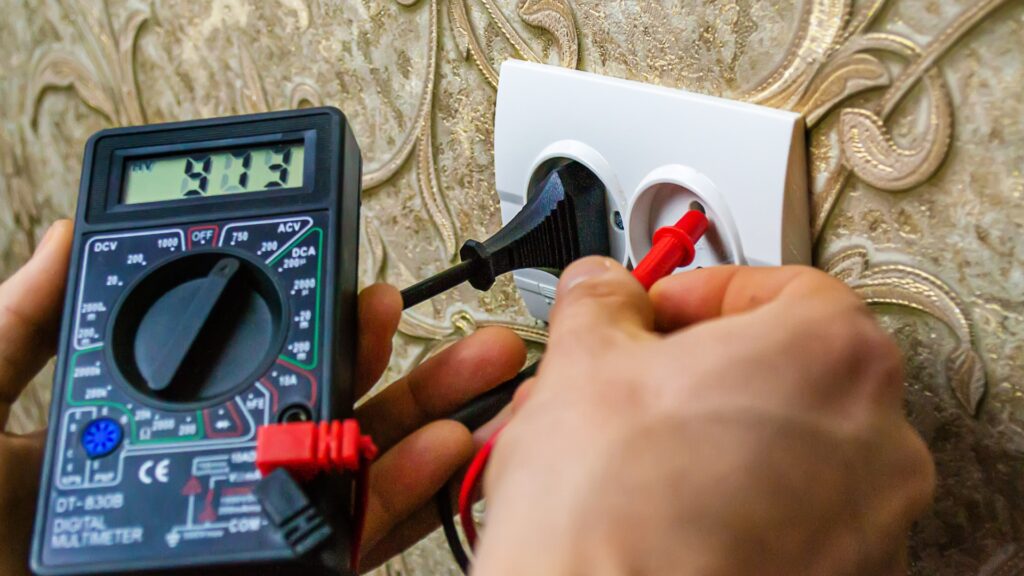
A flickering light, dead outlet, or frequently tripping breaker can have several possible causes. The electrician may need to test different parts of the system before identifying the actual problem.
For homeowners, it helps to think of diagnosing recurring electrical problems as part of the repair itself. Correctly identifying the source can prevent money from being spent replacing components that were never causing the problem in the first place.
Providing detailed information about when and where a problem occurs can also help your electrician during the diagnostic process.
The Condition of an Older Home Can Affect the Project
Older homes sometimes introduce additional considerations that cannot be identified until the existing system is evaluated.
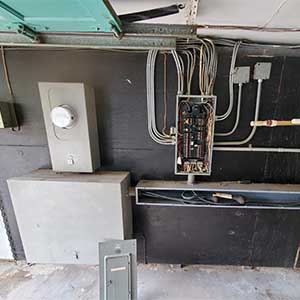
An electrician may encounter outdated wiring, older panels, limited circuit capacity, previous repairs, or electrical work that does not meet current requirements.
For a small repair, these conditions may not necessarily change the entire project. For larger renovations, however, updating aging electrical wiring throughout the home or making other improvements may need to become part of the overall plan.
This is why homeowners renovating older properties should consider leaving some flexibility in their budgets for conditions that may not be visible before work begins.
Electrical Capacity Matters When Adding New Equipment
Modern homes contain an increasing number of high-demand appliances and devices. Before installing some equipment, an electrician may need to determine whether the existing electrical system can support it.
This can be particularly important when adding:
- Electric vehicle chargers
- HVAC equipment
- Electric ranges or ovens
- Workshop equipment
- Major kitchen appliances
- Other high-demand electrical equipment
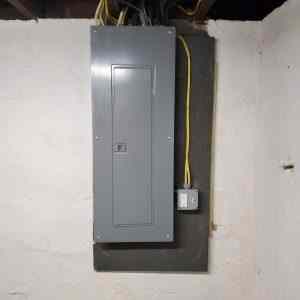
If the existing service is already near its practical capacity, modernizing the home’s electrical panel and service may need to be considered as part of the project.
That can increase the initial investment, but it can also provide additional capacity for future improvements rather than addressing electrical limitations one project at a time.
Plan Ahead for EV Charging
EV charging is a good example of why electrical projects should be evaluated individually.
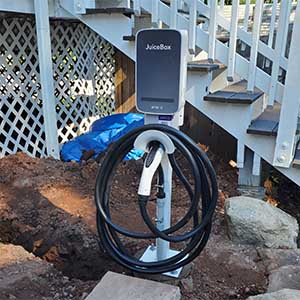
The charger itself is only one part of the equation. The electrician also needs to consider the available panel capacity, charger specifications, location of the charger, wiring route, and distance from the electrical panel.
A charger installed relatively close to a panel with sufficient capacity may involve a very different scope than one located farther away in a home requiring additional electrical upgrades.
Homeowners considering an electric vehicle should therefore look at preparing their electrical system for at-home EV charging as a complete project rather than budgeting only for the charging equipment.
Lighting Costs Depend on More Than the Fixtures
Lighting projects can also vary significantly depending on what already exists.
Replacing a fixture at an existing electrical box is relatively straightforward compared with adding completely new lighting to a room.
For example, adding recessed lighting to an existing living space may require planning fixture placement, running new wiring, installing controls, and accessing areas above the ceiling.
The number of fixtures matters, but so do ceiling construction, wiring access, switching requirements, and the existing circuit.
The same concept applies outdoors. Planning new landscape lighting around a property can involve fixture placement, wiring routes, controls, transformers, and the size of the area being illuminated.
Looking at the entire installation rather than simply the cost of fixtures provides a much more realistic understanding of the project.

Can Everything Be Completed During the First VisitConsider Future Electrical Needs While Planning
One of the best ways to get more value from electrical work is to think beyond the immediate project.
If you already know that you plan to remodel the kitchen, purchase an EV, finish a basement, or add new equipment in the next few years, mention those plans to your electrician.
There may be opportunities to prepare for future projects while electrical work is already underway.
For example, homeowners who are already increasing their home’s available electrical capacity may want to account for anticipated future circuits rather than selecting a solution that only satisfies today’s requirements.
Planning ahead does not necessarily mean completing every project immediately. It simply allows today’s improvements to support what you may want to do tomorrow.
Comparing Electrical Estimates
Price is naturally important when comparing electricians, but it should not be the only consideration.
Make sure you understand what each estimate actually includes. One contractor may include equipment, permits, testing, cleanup, and other necessary work while another estimate may handle some of those items separately.
When reviewing an estimate, consider asking:
- What work is included?
- What materials or equipment will be used?
- Are permits or inspections required?
- Could additional work reasonably be discovered?
- Is cleanup or restoration included?
- What warranties apply to the work?
- What happens if the scope changes?
Comparing the actual scope of work makes it much easier to understand why two estimates may differ.

Budget for the Electrical Work Your Home Actually Needs
Electrical work is ultimately about more than adding a fixture or replacing a component. The work needs to function safely within the larger electrical system already serving your home.
For that reason, the best starting point for budgeting is usually understanding the condition of your existing system and the complete scope of the project.
Whether you are investigating an ongoing electrical issue, planning new lighting, adding EV charging, or preparing an older home for modern electrical demands, getting the system evaluated first can help eliminate surprises and provide a much clearer picture of what the project will involve.
Planning carefully, asking questions, and considering both current and future needs can help homeowners make electrical improvements that provide value well beyond the initial project.
We Offer the Electrical Services in Rockland County, NY
and the surrounding areas.


North Crest, LLC
5.0

Ken re-wired my mother’s entire electrical system. He was professional , extremely efficient and the cost came in under budget. He was communicative every step of the way, explaining exactly what had to be done and why. I highly recommend North Crest, LLC.
Ken installed a 60 amp circuit out to the driveway for an electric car charger. He was extremely prompt and responsive. Showed up early. Job was done efficiently and the inspector remarked about how good the work looked. He also cleaned up our panel and made things safer.
North Crest, LLC
5.0

Ken was excellent to work with. We had an electric car charger installed in our garage and Ken was extremely knowledgeable and answered all our questions. His work work done flawlessly and efficiently. He was also very courteous and clean. I would recommend him for any job you need done!
-Ira M.