Arc Fault vs. Ground Fault

What’s the Difference & Why It Matters

If you’ve ever had an electrical breaker trip or a safety device installed in your home, you’ve likely encountered terms like arc fault and ground fault — or acronyms like AFCI and GFCI. These pieces of electrical protection are more than technical jargon: they are lifesaving devices designed to prevent two very different types of hazards in your home’s electrical system.

At a glance, both arc fault and ground fault protection sound like “extra breakers” — but they serve unique and critical roles in modern electrical safety. Understanding how they work can help you protect your family, your home, and your investment in electrical upgrades or renovations.

What Is an Arc Fault?

An arc fault occurs when electricity jumps — or “arcs” — between conductors (wires) or from a conductor to a grounded surface. Normally, electrical current flows smoothly through wiring. But when wiring is damaged, loose, degraded, or poorly connected, it can create an unintended path for electricity to travel. This causes sparking, tiny bursts of electrical energy, or arcing.

An Arc Fault Circuit Interrupter (AFCI) detects these irregular electrical patterns and shuts the circuit down before they can cause heat buildup or ignite nearby materials — potentially preventing serious electrical fires. These devices are especially important in living spaces where wiring might be old, concealed behind walls, or subject to damage from nails, screws, rodents, or normal wear and tear.

Common Causes of Arc Faults

Arc faults can stem from:

  • Damaged or frayed wiring inside walls

  • Nails or screws penetrating electrical cables

  • Loose connections at outlets, switches, or fixtures

  • Degraded insulation over time

Because AFCIs look for the pattern of dangerous arcs — not just excess current — they protect in situations where a traditional breaker won’t trip. A typical breaker monitors overall current (amperage) but won’t detect dangerous arcing until it’s too late.

What Is a Ground Fault?

A ground fault happens when electricity flows outside its intended path — usually to a grounded surface (like a metal box, plumbing pipe, or even a person). This can lead to shock or electrocution.

A Ground Fault Circuit Interrupter (GFCI) monitors current flowing into a circuit against the current returning. If even a small imbalance occurs — meaning some current is leaking out of the intended path — the GFCI shuts the circuit off in milliseconds.

This makes GFCIs essential wherever electricity and water are near each other: bathrooms, kitchens, garages, outdoor receptacles, basements or laundry rooms.

photo of expert landscape lighting in Hawthorne, NJ

Why Ground Faults Are So Dangerous

Unlike arc faults, ground faults don’t necessarily generate heat or sparks that lead to fires — but they can be life-threatening in terms of electrical shock. Water dramatically lowers resistance to electricity, making even modest shocks serious under the wrong conditions. GFCIs help prevent this by quickly cutting power when a ground fault is detected.

Where Code Requires These Devices

Electrical codes in the U.S. have evolved significantly in the last decade. Today’s National Electrical Code (NEC) requires:

AFCI Protection

  • Bedrooms

  • Living rooms

  • Dining rooms

  • Hallways

  • Closets

  • Almost all areas where general household circuits run

GFCI Protection

Anywhere water may be present:

  • Kitchens (countertop outlets)

  • Bathrooms

  • Laundry rooms

  • Basements

  • Garages

  • Outdoor outlets

While local codes can vary slightly, most modern codes mandate both devices in key areas of a home to protect life and property.

Dual-Function Devices: Best of Both Worlds

Many new breaker technologies combine AFCI and GFCI in one — known as dual-function circuit interrupters (or AFCI/GFCI breakers). These are especially useful in areas like a kitchen or laundry room where both fire and shock risks are elevated.

This can simplify wiring, reduce panel space usage, and ensure comprehensive protection where it’s most needed.

When Should You Consider Installing AFCIs or GFCIs?

Here are key situations where pairing protection makes sense:

1. You’re Remodeling or Adding Circuits

If you’re updating kitchens, bathrooms, or finished basements, your electrician will likely recommend AFCI and GFCI protection for safety and code compliance.

2. Your Home Is Older and Has Outdated Wiring

Homes built before modern codes may lack both arc fault and ground fault protection entirely. Adding these devices reduces shock and fire risk.

3. You Experience Frequent Breaker Trips

While breakers trip for many reasons, repeated trips can indicate wiring issues. AFCI/GFCIs help troubleshoot — and prevent — dangerous conditions.

4. You’re Adding High-Load Appliances

EV chargers, home offices, hot tubs, or HVAC upgrades can strain existing circuits. With proper protective devices, you manage load safely and protect against hazards.

DIY vs. Professional Installation: Why It Matters

Installing AFCIs and GFCIs isn’t just about plugging in a device — wiring, panel capacity, and local codes all play a role. Improper installation can cause nuisance trips or leave gaps in protection.

That’s why a professional electrician should:

  • Evaluate whether AFCI/GFCI protection is required by code in your home

  • Determine the best device locations

  • Ensure proper panel compatibility

  • Confirm installation meets safety standards

  • Test devices for correct operation

Because these devices protect against invisible hazards — electrical arcs and ground faults — precise wiring and testing matter more than you may realize.

Wrap-Up: Safety First

Arc faults and ground faults are two different electrical dangers with one common outcome: potential harm to your home and family. Arc faults can start fires by creating dangerous electrical arcs in damaged wiring. Ground faults can cause shock or electrocution when electricity strays from its intended path.

Protecting your electrical system with both AFCI and GFCI devices — installed properly by a licensed professional — is one of the best ways to keep your home safe, code-compliant, and future-ready.

We Offer the Electrical Services in Rockland County, NY

and the surrounding areas.

North Crest, LLC

5.0

Rated 5 out of 5

Ken re-wired my mother’s entire electrical system. He was professional , extremely efficient and the cost came in under budget. He was communicative every step of the way, explaining exactly what had to be done and why. I highly recommend North Crest, LLC.

-Louise L.
Rated 5 out of 5

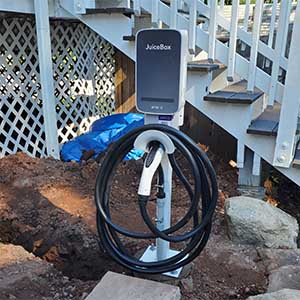
Ken installed a 60 amp circuit out to the driveway for an electric car charger. He was extremely prompt and responsive. Showed up early. Job was done efficiently and the inspector remarked about how good the work looked. He also cleaned up our panel and made things safer.

-Brian H.
Rated 5 out of 5

North Crest, LLC

5.0

Rated 5 out of 5

Ken was excellent to work with. We had an electric car charger installed in our garage and Ken was extremely knowledgeable and answered all our questions. His work work done flawlessly and efficiently. He was also very courteous and clean. I would recommend him for any job you need done!

-Ira M.

Rated 5 out of 5
Ken installed an attic ventilation unit which includes a fan, a switch, clean wiring from the jump box, and a thermostat. He was on time, quoted fair prices, and was pleasant to deal with. Furthermore, he consulted me with valuable recommendations regarding my additional concerns in the attic.
 
-Anthony E.
Rated 5 out of 5

Free Inspection and Estimate